

This manual will come out as a series of articles, each covering a different supplement group.
In this first article we deal only with minerals. Subsequent articles will take a look at vitamins, hormones and some of the more complex 'longevity-promoting' supplements.
The minerals we should take
By 'minerals' we mostly mean metals, taken in a form that is soluble in water and which is easily absorbed through the gut wall and into the blood. In this way, they are highly available to the body for use. The downside is that they can also be quickly and easily removed from the body by the kidneys, which is why we have to keep taking them regularly.
If it seems a little odd that we should be taking metal into our body, remember that we need them in only truly tiny amounts – usually in the range of milligrams (mg; a thousandth of a gram) down to micrograms (mcg; a millionth of a gram). Many are critical in helping to facilitate and/or control a whole host of important metabolic processes in the body, and are therefore essential to maintaining health.
But can we not get these minerals from our diet? In general, the answer is 'Yes, but in often not enough'. This is especially true in older adults (say, over the age of 50), in who the ability to absorb nutrients through the gut wall declines, leading to many mineral-dependent processes within the body to work below optimal levels. What's more, older people tend to give up on having a mixed, balanced diet, instead opting to eat the same narrow band of nutritionally deficient favourites. Both contribute significantly to the ageing process. So mineral supplementation can be very important in helping to maintain health, and to fight back the signs of ageing, particularly as you get older.
Here, then, is a catalogue of the minerals that we need and how to take them, either as supplements or in the diet, given in no particular order.
A Who's Who of important minerals
This is a list of the most important minerals. Many can be obtained through diet alone, but for some supplementation can be useful, especially for older adults. Since all of these minerals are water-soluble, most of the supplements do not need to be taken with food. Some should not be taken simultaneously as they can compete for the body's absorption mechanisms. We'll try to point this out for each of the minerals below.
Sodium
Sodium is absolutely critical for maintenance of the body's fluid balance, called homeostasis. All the body's tissues, including the blood and lymph, are bathed in sodium-containing water at a particular strength. It comes in the form of sodium chloride – good old-fashioned salt – which of course is available in enormous quantities in our diet. No need for supplementation here. In fact, if you're the sort of person that pours salt onto your meals, then you should think about cutting down: too much salt can raise blood pressure.
Potassium
What sodium is to the fluids that surround the body's tissues, so potassium is to the environment inside every individual cell within the body. Sodium and potassium have to remain in a delicate balance to maintain homeostasis: comparatively high sodium and low potassium concentrations in the fluids outside the cells; the reverse inside the cells.
As with sodium, so potassium is usually readily available in the diet, so it's unusual for supplementation to be needed. However, for those relatively few people who do struggle to maintain potassium levels, this can be rectified with capsules of potassium citrate, usually 1000mg once per day.
Magnesium
A greatly overlooked mineral, magnesium has been found to be a critical mineral in the promotion and control of a wide range of enzyme-catalyzed reactions in the body. It is widely available in the diet, but often at sub-optimal levels, making supplementation a very good idea. This is particularly so for older adults, for whom absorption of whatever magnesium is available declines.
For general health promotion, it should be taken as magnesium glycinate capsules, which is readily absorbed and used by the body. Magnesium in other forms is available (eg magnesium citrate and threonate), but these are for other uses.
The usual dose is 1420mg once or twice per day, always taken in the evening, shortly before bedtime.
Calcium
Calcium is critical to maintenance of bone structure and health. It is readily available in the diet, mainly through milk, yogurt and cheese. Supplementation is not normally needed in younger people, but may become important in older adults, especially menopausal women. These older women – particularly if they are not receiving hormone replacement therapy (HRT) – are highly prone to loss of calcium and hence bone structure, leading to osteoporosis and frequent bone fractures. Supplementation may also be needed among vegans and anyone else not consuming dairy products in their diet.
Calcium is usually supplied as tablets or capsules of calcium carbonate, though it is also available as calcium citrate. The former is not very soluble and so can cause gut bloating, in which case the more soluble citrate is more gentle and preferable.
Anyone taking calcium supplements should also take vitamins D and K. The former promotes the uptake of the calcium from the gut, and the latter ensures that that calcium goes to the bones. Both of these vitamins should be taken at night with 'healthy' fats, such as full fat yogurt. More on them in a later article.
The usual dose of calcium, whether as carbonate or citrate, is 500mg twice a day.
Zinc
Zinc is hugely important in a wide range of metabolic processes in the body, ranging from the promotion of protein synthesis and wound healing to immune response and fertility. It is especially important in men, as it promotes the production of testosterone and healthy sperm, and inhibits cell damage in the prostate gland. It also reduces the action of two testosterone-depleting enzymes: aromatase and 5-alpha-reductase. The former converts testosterone to estradiol, resulting in male obesity, while the latter converts testosterone to dihydrotestosterone (DHT), which causes baldness.
Zinc is available through the diet, but supplementation is useful in older adults. It is especially important in men receiving testosterone-replacement therapy (TRT), to greatly reduce the activity of the two enzymes mentioned above.
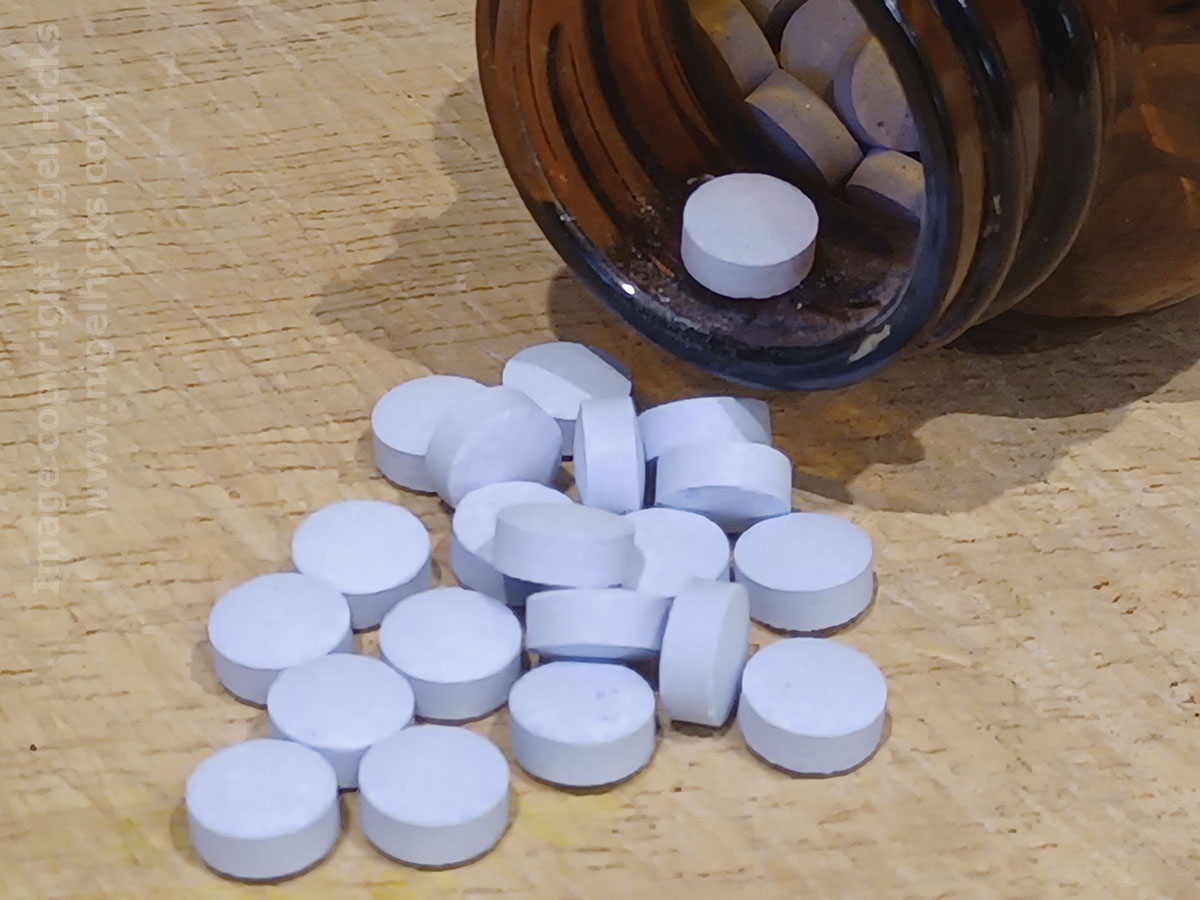
The most readily absorbed form of supplementary zinc is zinc picolanate, available as capsules and tablets.
The usual dose is 30-50mg per day, or every second day if you have a good diet. Zinc picolanate can be taken with or without food. However, some people find they can only tolerate it if taken with food.
Zinc supplementation can cause copper deficiency, so anyone taking zinc should also take copper.
However, do not take them simultaneously. Zinc and copper compete for the same uptake mechanism that carries these metals from the gut into the blood. So it is best to take them 12 hours apart.
Copper
Like zinc, copper is critical at very low levels for the control of a host of processes around the body. These include the promotion of iron uptake and the production of haemoglobin and red blood cells, as well as the structure and function of both connective tissue and nerve fibres. It is also a strong anti-oxidant.
Sufficient copper is widely available in a good diet, but for older adults and anyone with gut absorption issues, supplementation may be valuable. Note also, the need for copper supplementation for anyone receiving high dose zinc supplements.
Copper is available in several forms, but we recommend the highly absorbable copper bisglycinate.
The usual dose is 3mg per day (or every second day if you have a good diet).
See the note above about taking zinc and copper supplements at different times.
Boron
Boron is a little-known and greatly underrated mineral that has some important effects in the body. It is particularly important in the promotion of bone health, stimulating the action of bone-producing cells, and promoting the uptake of vitamin D and calcium. It also has strong anti-inflammatory properties.
It can also modulate the sex hormones, in men reducing the levels of sex hormone-binding globulin (SHBG) in the blood, and hence raising the levels of free testosterone, and in women helping the metabolism of estrogen.
It is widely available in the diet via a range of plant foods, but again in older adults supplementation may be useful.
As a supplement, it can be bought as either capsules or a liquid that can be taken via a dropper. If using the latter (which I recommend), take it first thing in the morning on an empty stomach. I have to admit that it tastes disgusting, so mix it with a small drink such as milk or fruit juice.
The usual dose is a minimum of 6mg per day.
Iron
This is perhaps the one mineral that most people have at least a passing awareness of in terms of its role in the body. It is absolutely critical in the production of haemoglobin, the protein that (wrapped up inside red blood cells) carries oxygen from the lungs to the tissues. The iron is incorporated into the haemoglobin molecule, and it is actually to this metal that the oxygen binds.
Similarly, in the muscles, haemoglobin is an integral part of myoglobin, a protein that performs the same function as haemoglobin but only in the muscles.
Beyond its oxygen-carrying abilities, iron is important in the thyroid gland, the immune system, hormone production and generation of cellular energy.
The body requires a regular supply of iron in the diet, usually readily available in meats and seafood, as well as some vegetables, most notably spinach and lentils.
A shortage of iron in the body results in iron deficiency anaemia, which in its simplest form results in a loss of energy and a very pale palour to the skin. It can also result in shortness of breath, a susceptibility to illness, cold hands and feet, and an underactive thyroid, probably the most serious effect of all. Anaemia is said to be the world's most common mineral deficiency, with as much as 30% of the world's population suffering from it.
It is commonly seen in menstruating women and anyone who has undergonemajor surgery. It can also be seen in strict vegetarians and vegans who are not managing their diet correctly. Similarly, elderly people can become anaemic due to a poor diet.
Anyone who is anaemic, or is in danger of becoming so, should take iron supplements. There are a wide range on the market, available as tablets or capsules, though not all iron supplements are equal. In general, iron is not well absorbed through the gut wall, and a poorly absorbed supplement can cause nausea and constipation.
The iron supplement I recommend is Ferrograd C, a prolonged release form available as tablets or capsules. They contain iron as ferrous sulphate, along with vitamin C, which helps promote iron uptake by the gut. The normal dose is a single capsule/tablet daily, containing 325mg of ferrous sulphate.
Selenium
Selenium is needed in tiny amounts for a wide range of processes, including sexual health, immune system effectiveness, and cognitive ability. It is also a strong anti-oxidant, helping to reduce inflammation and chronic disease.
With most of the body's selenium concentrated in the thyroid gland, it is especially important in promoting healthy thyroid function, with selenium-dependent enzymes responsible for converting inactive thyroid hormone precursors (T4) to the active hormone (T3). This is particularly important in women, most especially as they age.
Selenium is readily available in the diet through meat and seafood. It is also found in plant foods, most especially Brazil nuts, though the amount available varies greatly from one region to another. Most people should be able to obtain all their selenium through diet (a daily intake of about 55mcg is recommended), but supplementation can be useful in those who either struggle to absorb nutrients from the gut, or who are susceptible to thyroid insufficiency.
Anyone using Brazil nuts to obtain their selenium needs should be very careful not to overdose. If you have a good diet then take no more than two Brazil nuts per day. The symptoms of excess selenium include hair loss and brittle nails.
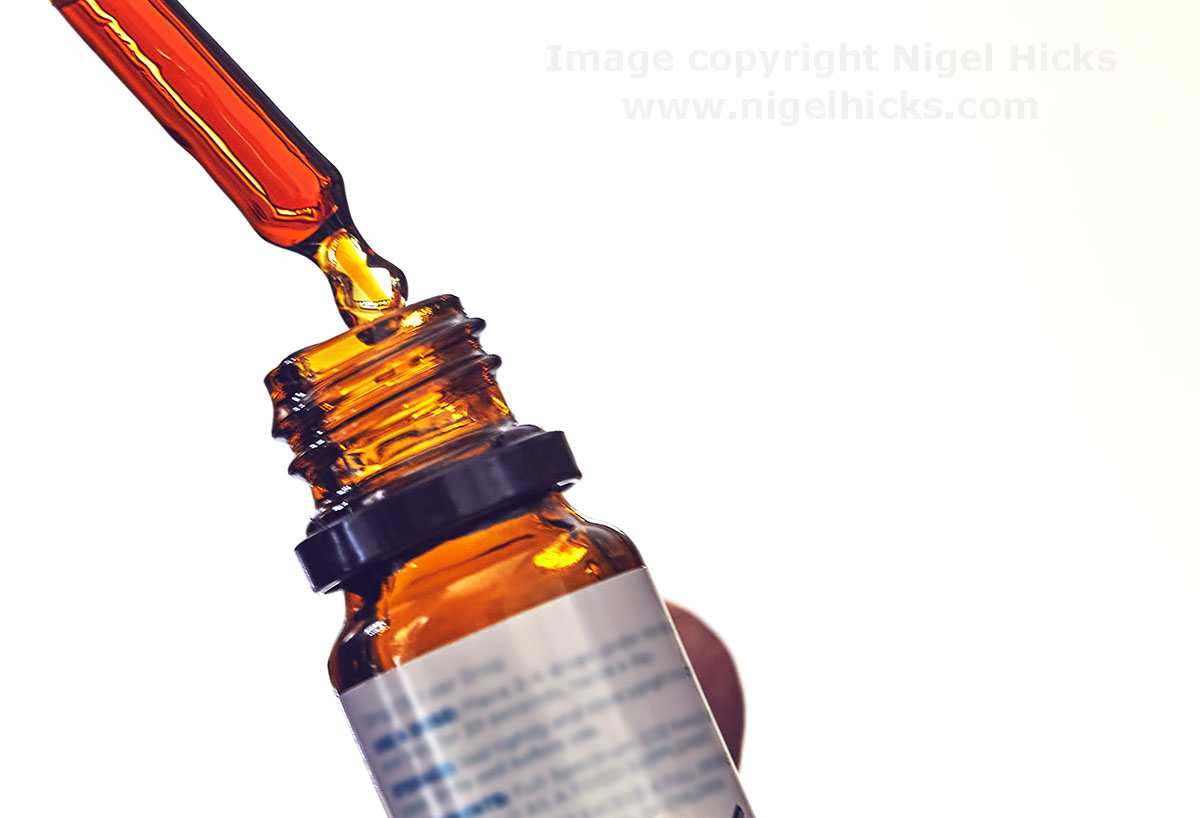
Selenium supplements come in various formulations, both capsules and solution (with dropper), often selenomethionine or sodium selenate. The usual dose is 200-300 mcg per day. My personal recommendation is ionic liquid selenium.
Iodine
Iodine is absolutely critical to the functioning of the thyroid gland, as it is used in the daily production of the thyroid hormones. Lack of iodine can lead to hypothyroidism (under-active thyroid) and to intellectual deficiency. In general, we need 140-150mcg per day, which is normally available through diet. However, pregnant or breastfeeding women, as well as vigans, may need to take supplements. It is possible to overdose on iodine, with excess levels damaging the thyroid. The maximum tolerated daily dose is said to be 1.1mg per day.
In the diet, iodine can be obtained from seafood, seaweed, dairy products, eggs and table salt. As a supplement, it is available as tablets or in liquid form with a dropper, normally as either potassium iodide or potassium iodate. The daily dose should be no more than the body's daily normal requirement shown above.
A mineral collage
So that just about concludes my introduction the most important minerals that you need in your body. There is an awful lot more I could say about these minerals, but this article would be horrendously long if I did!
Hopefully, you can see from these summaries that these minerals are hugely important in a wide array of processes within the body, and that if we were without them then it would quickly become impossible to survive.
Many can be obtained largely from a good diet (by which I mean a good mix of reasonably fresh animal and plant foods), but there are certain groups of people for whom supplementation is likely to be important. The largest such group is older adults, starting from the age of about 50, for whom nutrient absorption declines.
I hope this gives a useful guide to the field of nutritional minerals. In my next article I'll look at the role of vitamins and how we can take them as supplements.