So it's February already: the end of winter is in sight, and spring will soon be bursting all around us. Even Covid seems to be in retreat - lets hope it continues to do so!
But this is still very much the time of year for colds and coughs - yes not every sniffle is Covid; the common cold is still widespread, and indeed much more likely than a Covid infection.
How do we manage, and perhaps even prevent those sniffles? In short, one of the best ways is to keep those vitamin C and D levels up. Together they will keep you immune system working well.
Keeping your vitamin C and D levels up
Vitamin C is easy enough to boost in the right kinds of food (eg citrus fruit, unpealed potatoes) or dissolvable tablets, but what about our D levels? This is not widely available in food, and most is made by the body in response to sunlight.
Guess what we don't have much of in winter? That's right: sunlight.
In my experience, most people in Britain of all ages don't get enough sunlight to produce sufficient vitamin D, so even at the start of winter levels are too low. By the time we reach the latter stages of winter our vitamin D levels are likely to be catastrophically low, making us even more susceptible to colds and other viral infections than we are normally.
How do we fix the vitamin D deficit?
One option, of course, is a long beach holiday in some tropical country, but given that this is not an option for most of us we need another solution.
The answer is supplements. Vitamin D supplements are widely available, but you must get the right dosage. And this is:
Vitamin D3 at 5000 international units (IU) per day.
Capsules containing this dose can easily be bought online or in a pharmacist, so stock up now! Remember, however, that this is not a quick fix: it takes time to build up your body's vitamin D levels, so this is a longterm solution: a daily capsule every day well into the future, and particularly in winter.
One final thing to remember: vitamin D is fat-soluble, meaning that it will dissolve in fats, but not in water. This has important implications for its absorption through the gut wall and into the blood.
In other words, to ensure successful absorption you need to take the vitamin D with some fat, such as full-fat yogurt, cheese or oily fish. Simply swallowing it with a glass of water will result in poor absorption.
This is explained in more detail in our recent blog about how to take supplements: see below for more information and the link.
How about a quick immunity boost?
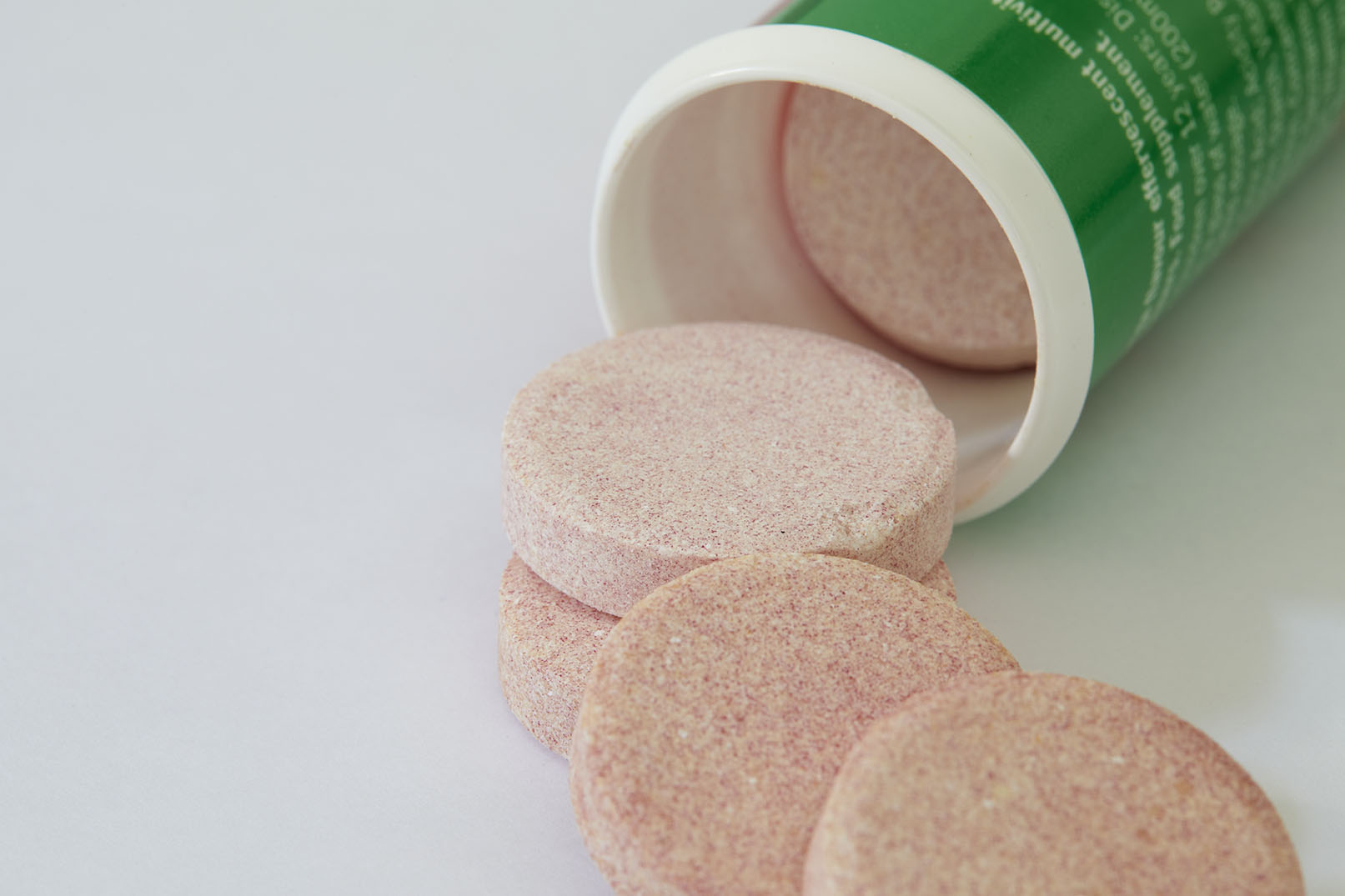
If boosting vitamin D levels is a longterm, slow-burn solution, what do you do when you feel that warning tickle in your throat or nose? For that, you'll need a big slug of vitamin C, probably as fizzy dissolvable tablets taken as a drink.
The amount? A massive 5gm (ie five 1000mg fizzy tablets), dissolved in water and drunk slowly over a couple of hours. Don't drink it all in one go - if you do then much of the vitamin C will be removed in your urine too quickly, reducing its effectiveness. Do this every day for three or four days, to keep the symptoms in check and then set them in retreat.
Finally, that winter sun
Having just dismissed Britain's winter sun as a catalyst for vitamin D production, I'm nevertheless going to say that we should all get as much of it as possible, not for the vitamins but simply for the positive psychological effects sunlight has.
Even weak winter sunlight will boost the mood, so at a time of year when good light is in short supply, take every chance you can to get outside and soak up some rays.
Who knows: you might even be able to make some vitamin D!