

What is a dietary supplement?
A dietary supplement is a chemical that could be almost anything,ranging from simply a mineral, to a vitamin molecule, to a complex plant extract, that can be taken in a rather artificial form in addition to the nutrients we hopefully gain from our normal food diet. I say they're in 'artificial form' because they are usually taken as tablets, capsules or drops, rather than as an integral part of our food, though the latter does sometimes happen too.
Taking such supplements helps to overcome any deficiencies that we may have in our diet, or in our ability to absorb them from our diet. There are also occasions in which the body's needs for particular components are greater than could ever be supplied by a normal diet, leading large numbers of people over many generations to function sub-optimally in certain specific ways.
Modern scientific research has enabled us to pin-point where many of those shortfalls are, and has allowed us to come up with supplemental products that help boost our supplies of such critical components.
The result of taking these supplements is that many physiological processes that may otherwise be functioning below par as a result of a shortage of certain components, can now function fully and to their optimal level, hopefully boosting general health and wellbeing.
But can't we obtain everything we need from our daily food intake?
This is a frequent argument against the taking of supplements, and in younger people who are in good health and eating a balanced diet this may have some truth. However, in older people (say, over the age of about 40), it quite definitely is not true, because as the body ages it becomes less efficient at absorbing nutrients from our food. A helping hand is needed to ensure the body receives all it needs, including – if necessary – providing rather too much of some components. We'll see why this is sometimes necessary below.
Besides ageing, a huge number of people of all ages do not eat a completely healthy diet and as a result are literally starving their bodies of many of the nutrients needed to make them function optimally. Dietary supplements can help provide a something of a fix for this issue, though it shouldn't be taken as an alternative to developing healthy eating habits.
What's more, there are certain nutrients that almost everyone is deficient in simply because we cannot absorb enough from our food, or from our environment generally. The standout example of this is vitamin D, something that is critical to maintaining the immune system, but which is deficient in virtually every person in the UK. This vitamin can be found in food, though its main source is from sunlight, something that of course the UK's climate is significantly short of, particularly in winter. The result of this deficiency is a constant epidemic of colds, particularly towards the end of winter, when vitamin D levels are at their lowest.
Getting supplements into the body
There is a major mismatch between what a lay-person thinks of as the process by which we get a nutrient into our body, and the way anyone with a medical or physiological training thinks about it.
For the lay-person, it is simply a matter of popping something into the mouth, chewing it if necessary and then swallowing. Job done; it's inthe body. For a medic, however, that's just the start of a complex process. In physiological terms any food/nutrient/supplement is still outside the body long after it is swallowed, and is not inside the body until it has been absorbed through the lining of the gut and into the blood. This may not happen until many hours after a piece of food or a supplement has been swallowed.
So when a doctor or physiologist talks to you about getting food or supplements into the body, they are not talking about swallowing: they are referring to absorption through the gut wall down in your abdomen.
An essential requirement for that absorption process to occur is that a nutrient be dissolved: it cannot pass through the gut wall as a solid. The majority of our nutrients are able to dissolve in water (they are said to be water-soluble), and in this form pass through the gut wall quite easily. Many, however, are not soluble in water, but instead will dissolve in fats/oils (they are said to be fat-soluble), and can be transported across the gut wall and into the blood only if dissolved in a fat/oil.
This process of absorption through the gut wall is the determining factor in how efficiently we are able to extract nutrients from our food (or supplements) and get them into the blood. The efficiency of this process declines with age, as well as in numerous intestinal/digestive illnesses, and my also result from interference by medicines present in the gut. The daily consumption of supplements aims to compensate for and overcome the negative effects of such a reduced gut absorption.
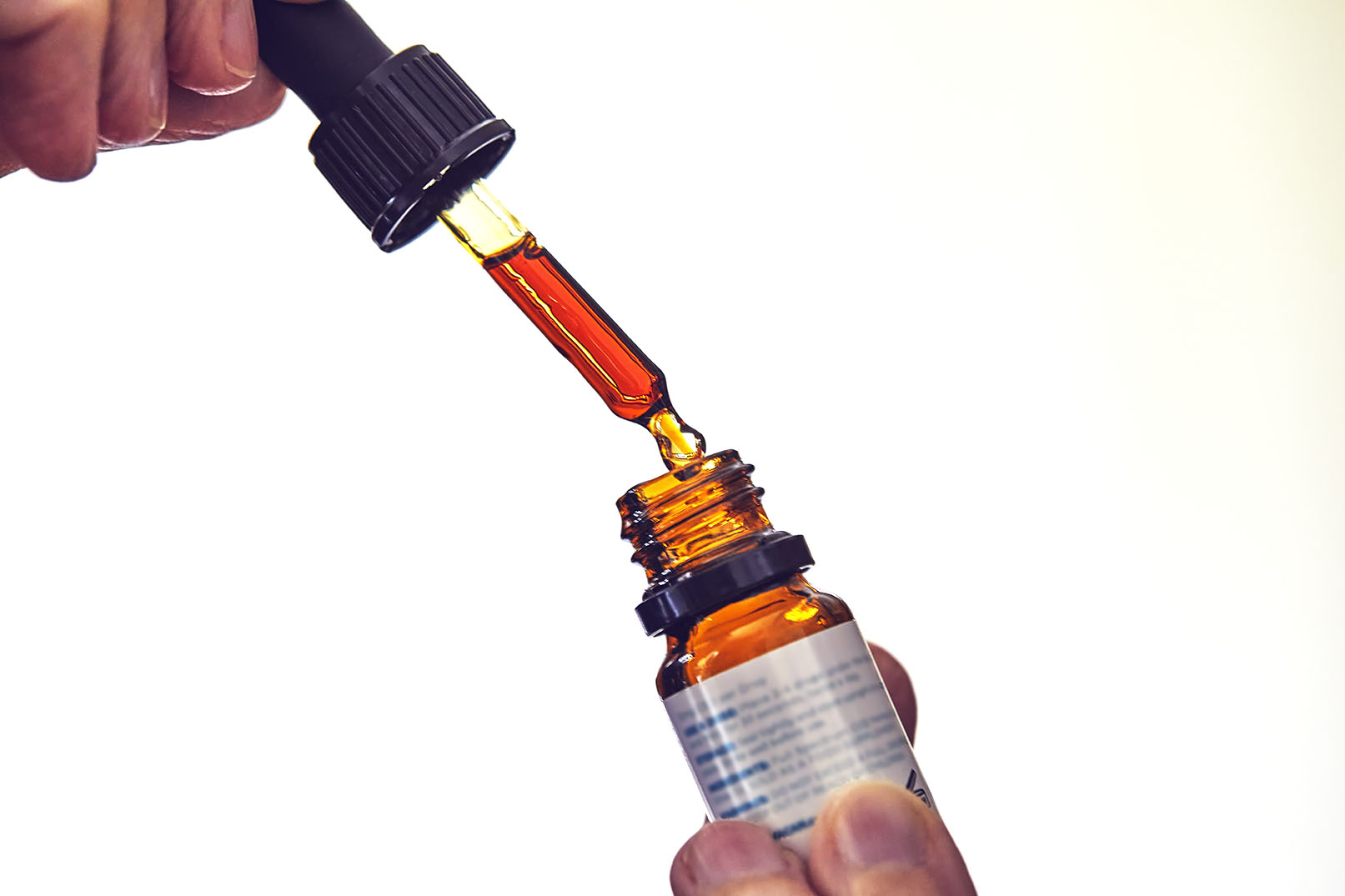
How to take water- and fat-soluble supplements
The efficiency of gut absorption is one of the main factors determining what is called bioavailability, the proportion of a substance that is actually available for use by the body relative to the amount swallowed. Other critical factors are the speed at which any nutrient is subsequently removed from the blood either by the liver or the kidneys. Bioavailability can be really quite low, particularly for nutrients that are absorbed slowly or poorly through the gut wall and which are then removed quickly by the liver and kidneys.
Anyone who has ever looked at the contents of a pack of multivitamin tablets will have noticed that each tablet frequently contains as much as 1000% (or 10-times) of the body's daily needs for some of the vitamins. This is not just to stimulate a huge boost to the body's vitamin levels, but also to ensure that even if bioavailability is low as a proportion of the amount swallowed, sufficient amounts will be available to the body to make the desired effect possible.
As already mentioned, all nutrients must be dissolved in order to get across the gut wall and into the blood, water-soluble nutrients in water, and those that are fat-soluble in fats and oils (known collectively as lipids). Water is generally plentiful in the gut, and so water-soluble nutrients are easily carried across the gut wall, into the blood stream, and thence into the tissues and cells where they can be quickly put to use. Unfortunately, they are also quickly carried to the liver and kidneys, where they are usually rapidly removed from circulation, the kidneys removing many water-soluble nutrients from the body altogether. In addition, many water-soluble nutrients are poorly stored by the body, so a fresh supply is needed every day, whether from food or as a supplement.
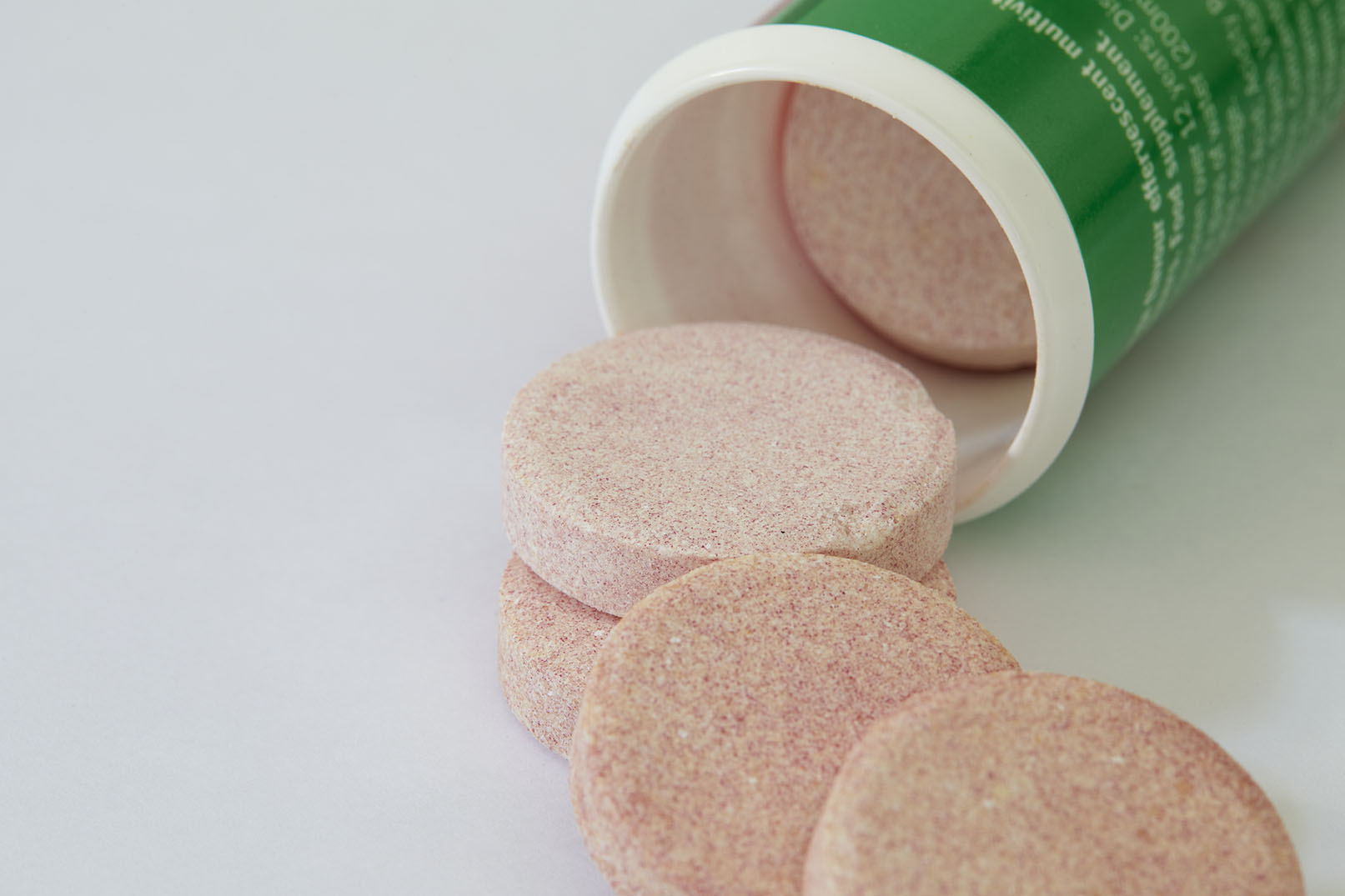
For this reason, when taking any water-soluble supplement (eg vitamin C and the B vitamins) it is best, if at all possible, to take it as a drink that can be sipped slowly over a long period of time. This ensures that the supplement is delivered slowly and steadily to the body, reducing the risk of a rapid surge in its levels in the blood, and hence reducing the speed at which it will be removed by the kidneys. Unfortunately, many water-soluble supplements come only as atablet or capsule that has to be swallowed whole, although some capsules are designed to dissolve in the gut slowly, reducing the speed of the supplement's release. They are understandably called slow-release.
When it comes to fat- or lipid-soluble nutrients, absorption through the gut wall can be a little trickier. Although much of the gut wall contains lipids, those freely available to dissolve fat-soluble nutrients are in general only present when fat-containing food has been eaten and is in the process of being digested. For this reason, to ensure efficient absorption of fat-soluble nutrients (including fat-soluble supplements) it is important also to eat some fat-rich food at the same time.
This clearly appears to fly in the face of the old mantra that fats are bad for us. The fact is they are not – fats are an essential component of our diet. You just have to consume them in moderation and concentrate on certain types of fats, what I often tell my patients are the healthy fats. This in itself is a huge field and can be the subject of a future blog, but in essence the healthy fats are the oils (ie they're liquid at room temperature), and that means the plant and fish oils. Most definitely not the fats found in red meat, which are in general unhealthy for us. And also definitely not hydrogenated plant oils as their structure has been deliberately altered to more close-resemble that of the unhealthy animal fats.
So it follows from all this that, when taking supplements it is useful to know which ones are water-soluble and which fat-soluble if you want to optimise their absorption. Not surprisingly, this is where many people struggle and end up taking fat-soluble supplements in a way that won't beneft them. In the rest of this blog, I intend to give you the information you need to get it right for each of the supplements that I regularly recommend.
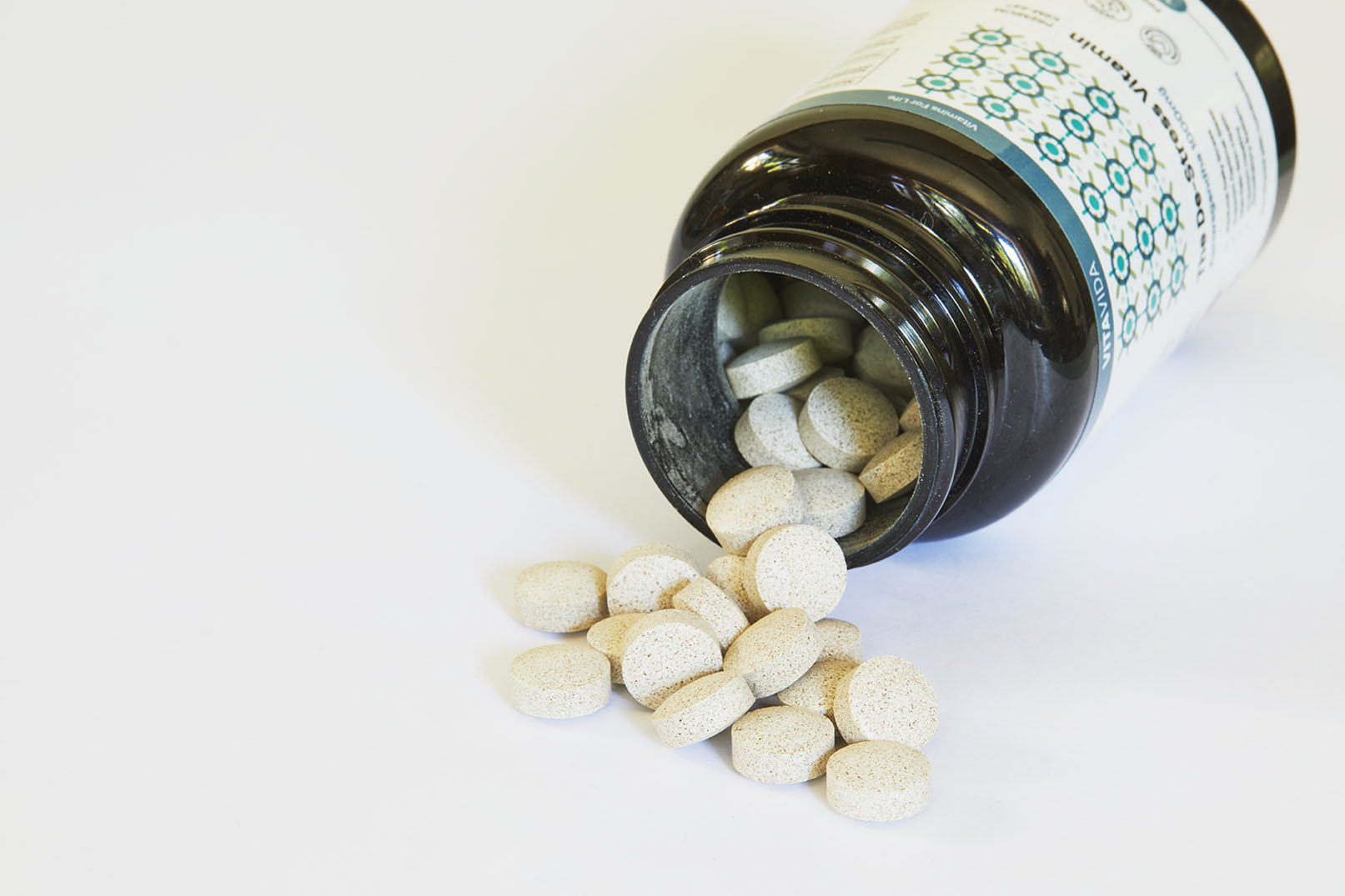
Supplements in my must-have list
Having laid the groundwork, now we finally get to the nitty-gritty of which supplements you should be taking and how you should take them. This is not meant to be a comprehensive list of supplements; just those that I recommend my patients to take, particularly those patients receiving BHRT. Starting with the vitamins, here goes.
Vitamins
Vitamin Bs: Actually a complex of eight vitamins, collectively the B vitamins are important in a wide range of body functions. They are readily available in many foods, so usually they do not need to be given as a supplement, except perhaps during pregnancy and in ageing. All are water-soluble, and are easily taken as a tablet dissolved in water. Being water-soluble they are also quickly removed from the body, so to slow this down it is best to drink the vitamin solution slowly over a long period. There is no need to consume fat-rich food.
Vitamin C: Arguably the most well known of all the vitamins, vitamin C is essential to a host of functions in the body, including immunity and the ability to fight infections. Available in many foods, with the right choice of foods it is relatively easy to obtain sufficient for usual needs. However, storage, some cooking techniques and exposure to air will all destroy vitamin C, so you're not always getting as much as you think you are. When taken as a supplement, it is useful for boosts to immunity and the ability to fight infections. Vitamin C is water-soluble, so is easily taken as a water-dissolved tablet, preferably drunk slowly over a prolonged period, and without the need for simultaneous food. Unfortunately, being water-soluble it is very quickly removed by the kidneys even if consumed slowly as a drink. Fortunately, there is now a product called liposomal vitamin C that helps overcome this problem. It consists of vitamin C enveloped in thousands of microscopic lipid 'bubbles', leading the body to treat it as a fat-soluble substance, slowing down both absorption and removal of the vitamin C.
Vitamin D: This is a group of steroid compounds, the most important of which are vitamins D2 and D3. They can be made by the skin when exposed to sunlight, but in the UK there is not enough of this to provide adequate levels. Vitamin D is also available in some foods, such as white fish, but it is not widespread. It is important in aiding absorption of a number ofnutrients through the gut wall, and in promoting the immune system.The vast majority of people in the UK are deficient in vitamin D, and so taking this as a supplement is highly worthwhile, mostly as vitamin D3.
This is usually taken as a tablet or drops, 5000 units per day. All forms of vitamin D are fat-soluble, so D3 needs to be taken with some healthy fatty food to ensure maximal absorption.
Vitamin K: Divided mainly into two forms, K1 and K2, this much-overlooked vitamin has been shown to be hugely important in blood-clotting and the control of calcium deposition. In the latter, it greatly increases deposition of calcium in teeth and bones, and decreases it in blood vessels, thus preventing some important aspects of ageing, including heart disease, osteoporosis and tooth decay. It is available in some foods, though is generally not widely consumed in the western diet. It is thought that gut bacteria can also make vitamin K.
Vitamin K can very usefully be taken as a supplement, mainly as K2, the form thought to be most active. It is usually taken as a tablet, sometimes in combination with vitamin D3. Vitamin K is fat-soluble, so it must be taken with some fat-rich food in order to ensure efficient absorption.
Minerals
Boron: This little-heard-of metal is, in a subtle way, hugely important in a wide range of physiological reactions that help promote growth, along with improving control of vitamin D3 and calcium metabolism, plus testosterone and oestradiol levels. From my perspective it is particularly important in ageing men, most especially those receiving testosterone treatment, such as in my male BHRT regimen.
In this context, boron is hugely effective in reducing blood levels of Sexual Hormone Binding Globulin (SHBG), a protein that attaches to and hence deactivates testosterone in the blood. The consequence of reducing levels of SHBG is that blood levels of free testosterone increase, greatly improving the beneficial effects of this hormone.
Boron is available in a wide range of foods but at seemingly unpredictable levels. To ensure success in controlling testosterone metabolism, it is best taken as a supplement. It is available as capsules, tablets and drops, 12mg per day being needed. Boron is water-soluble so there is no need to take fat-rich food with it. It is best taken in the morning on an empty stomach.
Zinc: This metal is hugely important as a cofactor in promoting the activity of a host of food-digesting enzymes. Its deficiency in the diet is associated with some forms of malnutrition. From the perspective of my work it is important in controlling hormone physiology, particularly of testosterone. In ageing men, testosterone is frequently converted to oestradiol, causing weight gain and damage to the prostate gland. Providing zinc as a supplement blocks this process, and so is particularly important for men receiving testosterone as part of my BHRT regimen, ensuring that testosterone levels stay elevated, oestradiol levels stay low, and the prostate gland remains healthy.
Zinc supplements are available as a capsule, 50mg per day. Zinc is water-soluble, so there is no need to take fat-rich food with it.
Copper: This is an enormously important metal element that is involved in the control of a huge number of physiological processes, from the production of red and white blood cells, to the maintenance of collagen and elastin structures and nerve cells. Copper deficiency is linked to anaemia and thyroid problems. It is available in a wide range of foods, such as cashews, almonds, cocoa, pepper, meat and shellfish, however probably at insufficient levels.
As a supplement it is usually taken as a single daily tablet, 2mg per dose. Being water-soluble, there is no need to take fat-rich food with it.
Zinc, boron and copper may use the same mechanism for absorption through the gut wall, so to avoid any risk of competition among the three, it is probably wise to take each at different times of the day.
Magnesium: Another hugely important metal element, magnesium is involved as a cofactor modulating a vast range of biochemical reactions in the body. It is found in – and is critical to – every tissue in the body, helping to regulate such functions as muscle movement, nerve cell activity, brain activity and mood, bone formation, hormone functions and blood sugar control. Magnesium deficiency can result in a host of problems, including insulin's inability to control blood sugar levels.
Magnesium is available in a range of foods, but not at sufficient levels. As a result, it is estimated that about half of the population is magnesium deficient.
As a supplement, it is usually taken as a daily capsule with a dose of 350-450mg. Being water-soluble, it does not need to be taken with fat-soluble food.
Selenium: This element is important in quite a number of metabolic functions, but particularly in helping to promote the activity of the thyroid gland. Since this declines with age, in older people selenium consumption becomes increasingly important in order to maintain metabolic health.
Selenium, which is water-soluble, is available as drops, but high levels are also available in Brazil nuts, and so represents the most enjoyable way to take this element. Three nuts per day should provide all the selenium that is needed. It is important to avoid eating many more nuts than this as excess selenium can be toxic.
Others
N-Acetyl Cysteine: Usually abbreviated simply to NAC, this substance is useful in building up levels of anti-oxidants, which help protect the body from damage and disease. Examples of anti-oxidants include vitamins and minerals. Specifically, NAC is very useful in clearing mucus from the lungs in some lung conditions, such as chronic bronchitis, and may be useful in protecting the liver from damage. There is some evidence that it can be helpful in a number of other conditions, but these remain unclear.
NAC cannot be found in food, so can only be taken as a supplement. It is water-soluble and is available as a capsule. I usually recommend my patients to take 600mg (usually one capsule) twice a day.
Ashwagandha: Not exactly a supplement in the true sense of the word, this is an ancient herbal remedy whose use is well established in Indian Ayurvedhic medicine, and which is proving to be increasingly popular in the west. Consisting of a ground-up powder of various parts (mostly the roots) of the Indian Winter Cherry, an evergreen shrub, ashwagandha has been shown to be highly effective in reducing stress and anxiety levels, and in improving sleep. Highly applicable in quite a wide range of people, it is particularly useful in menopausal women for whom stress, anxiety and sleep problems are very common symptoms.
Ashwagandha is usually provided in tablet form, 1-2 tablets (1000-1500mg per tablet) to be taken each day. The contents of the tablets are water-soluble and so do not need to be taken with fat-rich food.
Putting it all together
I hope this article gives you a good idea of the most important supplements that I recommend to my patients, and why. I hope it is also now clear that the provision of these supplements to your body's metabolism is far from being a simple relationship with the amount you swallow, but instead is a hugely complex multi-stage process, the success and efficiency of which can depend on a host of factors – including the foods you do or do not consume at the same time as your supplements.
Any queries? Just get in touch!
Contact Dr Drucker at: berlinde@hebemedical.co.uk.